
Ready Mix Concrete
What is RMC?

Why RMC a Smart Solution for Construction
Our Accurate Quality Control Practices
The Tests We Do
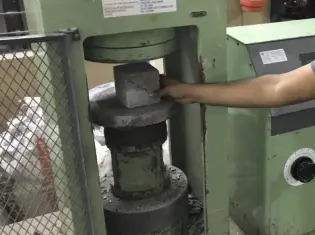
Compression Testing
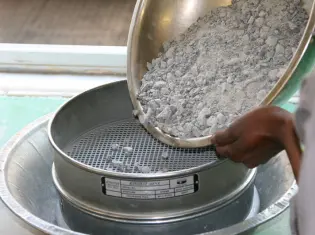
Sieve Analysis
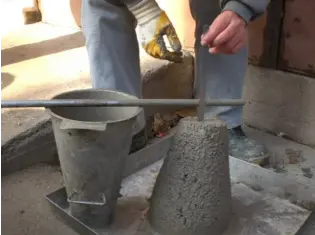
Slump Testing

Casting Cubes
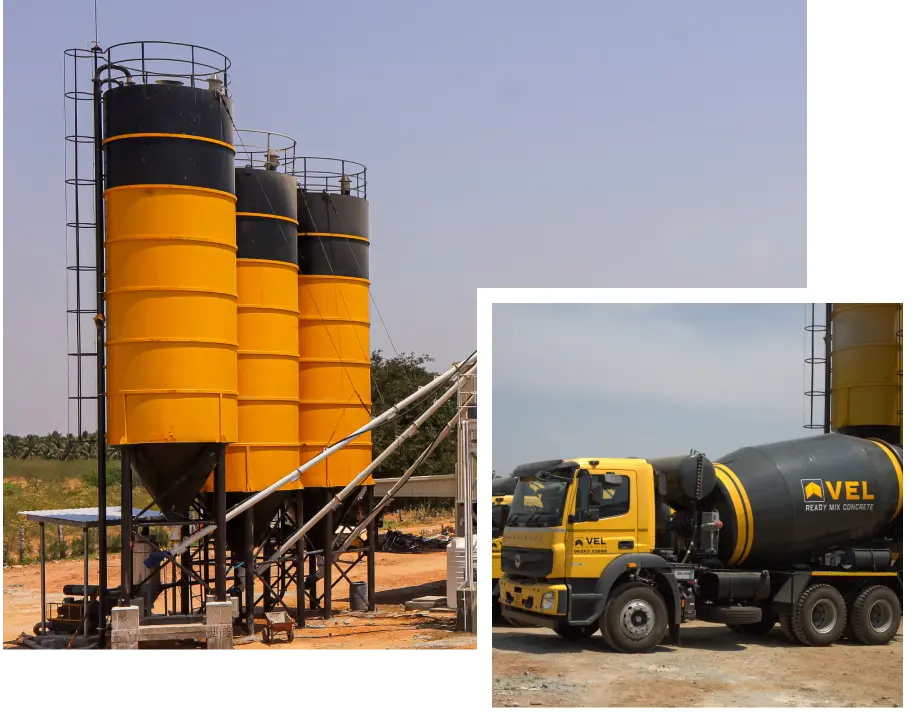
RMC CAPACITY
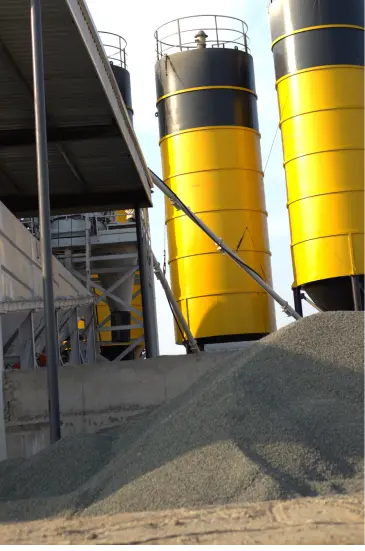
- Aquarius SP40 Batching Plant: Can batch 40 cubic meters per hour, ensuring efficient operations.
- 2 x 10 cubic meters Transit Mixers: Transport high-volume concrete to work sites, facilitating smooth construction processes.
- 1 x 4 cubic meters Transit Mixer: Access even the tightest sites, delivering low-volume concrete where larger mixers cannot reach.
- Aquarius 1004D Stationary Pump: Efficiently places concrete, reaching up to 5-storey buildings.
RMC PRODUCT RANGE
Description
- Normal-class concrete specified by compressive strength.
- Available as M20, M25, M32, M40& M50 grades; Combination of 10mm and 20mm aggregate size and 80mm slump.
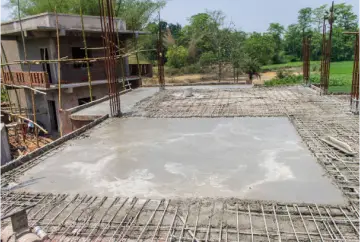
End Use
- All purpose workable concrete for residential, commercial and industrial applications e.g. ground floor slabs, RCC slabs, beams and footing.
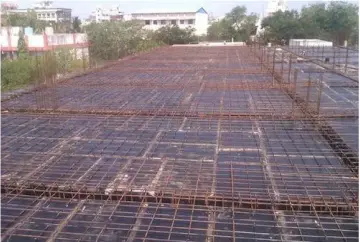
Description
- Normal-class concrete specified by compressive strength.
- Available as M20, M25, M32, M40& M50 grades; 10mm aggregate size and 80mm slump. class concrete specified by compressive strength.

End Use
- All purpose workable concrete for Industrial and commercial applications where a smaller aggregate size is required
- eg. thin slabs or top pavements, columns and congested reinforcement.
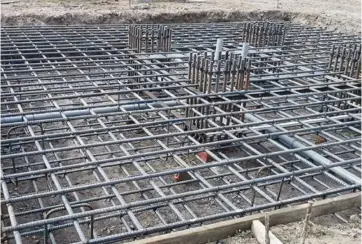
Description
- Low strength concrete specified by compressive strength.
- Available in M5, M10 &M15 grades; 20mm aggregate size and 80mm slump.

End Use
- All purpose workable concrete for Industrial and commercial applications as are placement to 40mm aggregate PCC layer.

Frequently Asked Questions
What is Ready-Mix Concrete (RMC)?
Ready-mix concrete (RMC) is a pre-mixed concrete that is manufactured in a batching plant according to a set recipe and then delivered to a construction site in a ready-to-use condition.
How is the quality of RMC ensured?
The quality of RMC is ensured through rigorous testing and quality control measures at every stage of production, including thorough testing of raw materials, regular equipment calibration, and adherence to strict mixing and pouring procedures.
What are the benefits of using RMC?
Using RMC offers benefits such as consistent quality, reduced on-site labor, faster construction timelines, minimized material wastage, and the ability to customize the mix for specific project requirements.
How is the strength of RMC tested?
The strength of RMC is tested by casting cubes or cylinders from each batch and subjecting them to compression tests at different curing periods, typically 7, 14, and 28 days, to ensure the concrete meets the required strength specifica
How is RMC delivered to the construction site?
RMC is typically delivered to the construction site using transit mixers, which are specially designed trucks that transport the concrete from the batching plant to the construction site while ensuring that it remains in a fresh and workable state.